My nice blog 9905
Cold environments make people underestimate fire risk. I have walked into more than one freezer where the team assumed ice equals immunity. The opposite tends to be true. Cold storage facilities pack high fuel loads into tight rooms, rely on electrical systems that run hard, and use refrigerants that can displace oxygen or fuel a deflagration if handled poorly. If you operate, inspect, or are hunting for a cold storage facility near me for seasonal overflow, it pays to understand how fire protection and refrigerant safety work together. That knowledge helps you evaluate a cold storage facility San Antonio TX location with 110-degree summers and humidity, or a Midwest box battling ice fog in January. The principles cold storage facility hold across climates, but the edges change with geography, building age, and refrigerant choice.
Why cold storage burns differently
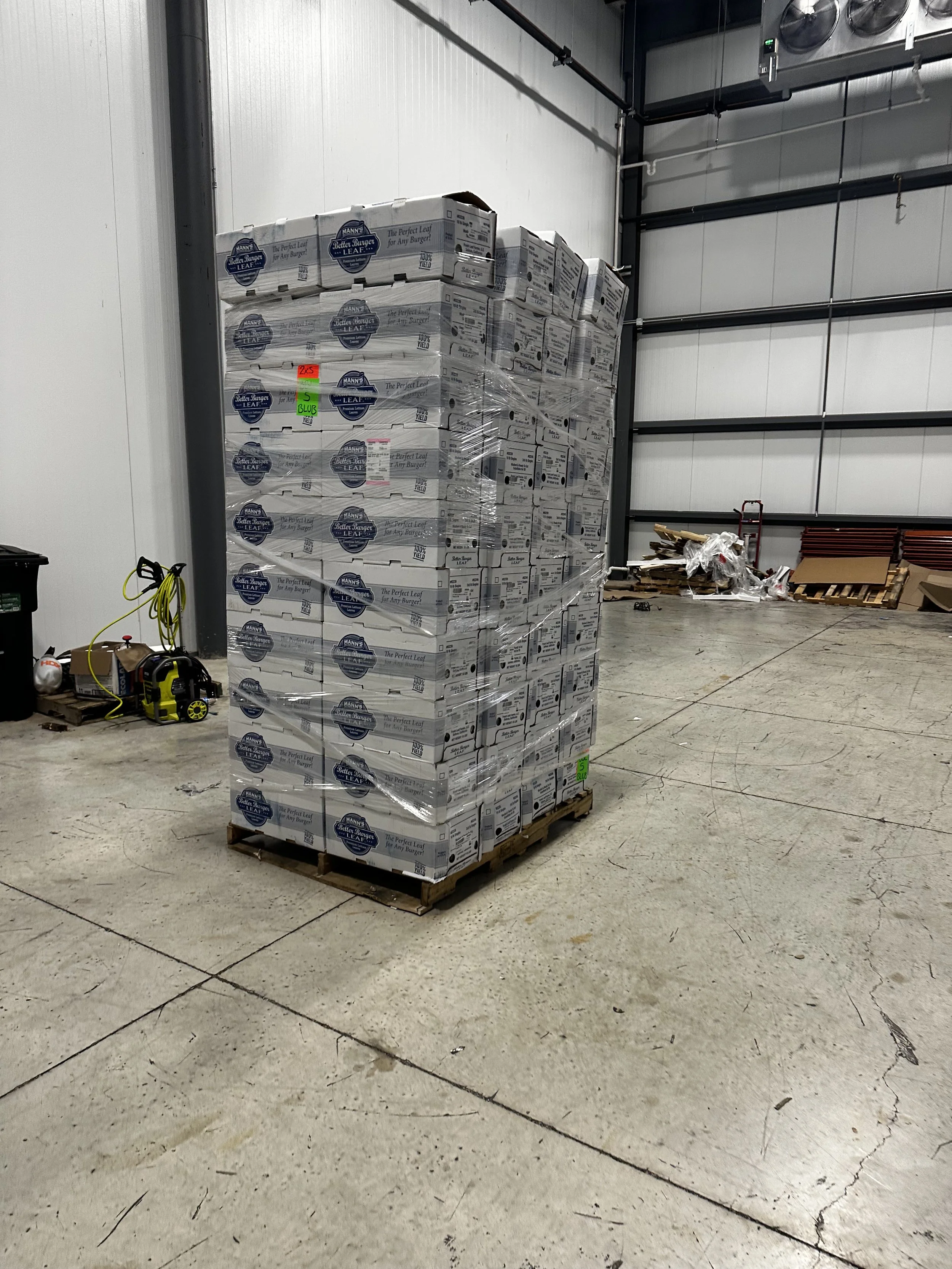
A freezer is a layered risk. The inventory is dense, often palletized, and wrapped. Plastic film, corrugated cardboard, and wooden pallets burn readily. The low ambient temperature slows initial ignition, but once a fire starts, the fuel package supports rapid vertical spread. Rack geometry funnels heat upward, and hot gases collect under the ceiling, where the sprinkler system lives. That heat has to reach the sprinklers before they open, which takes longer in subzero rooms. Meanwhile, evaporator fans, conveyors, and lighting keep moving air, feeding oxygen and carrying smoke through the space.
Insulation shapes the hazard. Older boxes often use expanded polystyrene or polyurethane with combustible facers. Modern codes favor noncombustible mineral wool or foams with better fire performance, but retrofit reality is messy. I have seen foam-in-place repairs around conduit penetrations that looked tidy, yet tested as kindling. The envelope becomes the battlefield in a fire, and penetrations can work like chimneys if not sealed correctly.
Electrical stress matters. Compressors, evaporator fans, heat tape for door seals, and defrost systems all add up. A single loose lug or chafed cable in a harsh cold environment starts many fires. Ice exacerbates everything. It builds on fixtures, weighs on junction boxes, creeps into disconnects, and hides damage. The colder the room, the more likely you are to see brittle wire insulation and cracked conduits unless maintenance stays ahead.
Refrigerants, old and new, and what that means for safety
A cold storage operation is built around its refrigerant choice. That choice dictates leak hazards, detection strategy, ventilation requirements, and emergency response.
Large distribution freezers still lean on anhydrous ammonia, designated R-717. Ammonia has a strong odor and excellent thermodynamic efficiency. It is also toxic, corrosive, and mildly flammable. A pinhole leak can put workers on the floor within seconds without adequate ventilation and alarms. On the other hand, its smell often provides early warning in smaller releases. Modern ammonia systems are usually in machinery rooms, not inside the freezer, but evaporators and piping networks penetrate cold spaces. Isolation valves, double block and bleed arrangements, and quality welds are the difference between a nuisance and an evacuation.
Hydrocarbons such as propane (R-290) and isobutane (R-600a) appear more often in self-contained units and micro-distributed systems. They are efficient and low GWP, but flammable. The code allows only limited refrigerant charges per circuit, and equipment must meet specific design and labeling standards. I once traced a warehouse near San Antonio that swapped a bank of aging glycol chillers for R-290 packaged cases to gain efficiency. They got it, but they also had to upgrade gas detection, electrical classification near service ports, and hot work protocols.
HFCs and HFO blends, like R-404A or R-448A, remain common in legacy systems and secondary loops. Most are nonflammable or have low flammability, but they can still displace oxygen in a confined space during a leak. Some HFO blends decompose in a flame, generating byproducts that irritate lungs. Leak size, location, and ventilation determine the real risk. A whisper leak in a machine room with active exhaust is a maintenance ticket. A large leak in a pit or sump is a rescue hazard.
The bottom line: refrigerant safety overlaps with fire protection because leaks change the atmosphere. Oxygen deficiency, elevated combustibility, and impaired visibility drive evacuation and response. The right gas detection, set at practical alarm thresholds, is not optional.
Codes and standards that shape the design
In practice, the safest cold storage facilities follow a stack of documents. NFPA 13 governs sprinkler design. NFPA 90A addresses HVAC openings. NFPA 70 covers electrical. NFPA 72 sets fire alarm rules. NFPA 400 and 30B matter when aerosols or hazardous materials are stored. NFPA 1 and 101 address life safety and means of egress. For refrigeration specifically, look at IIAR standards for ammonia systems and ASHRAE 15 for machinery rooms and refrigerant detection. Most authorities adopt these through the International Building Code and International Fire Code, with local amendments. San Antonio, for example, enforces the IFC with regional tweaks, and inspectors expect to see current IIAR documentation if ammonia is present.
For storage, the critical NFPA 13 section is on rack configurations and special applications such as cold storage. The standard recognizes that colder rooms need closer sprinkler spacing, lower K-factors are less effective, and water supplies must account for ice formation. Designers often use in-rack sprinklers in tall narrow-aisle freezers with cartoned commodities on wooden pallets. Ceiling-only arrangements can work with early suppression fast response heads and specific commodity limits, but the margin is thin. If a cold storage San Antonio TX facility claims ceiling-only protection for 40-foot racks filled with mixed commodities, I ask for the design basis, sprinkler model data sheets, and test reports.
The myth of dry pipe equals safe
Dry pipe sprinklers are common in freezers to avoid freezing water in the piping. They do not make fires easier to control, they make water slower to arrive. Expectations matter. A dry system opens a valve upon head activation and then must fill the main piping with water from a remote valve. Even a well-installed system can take 30 to 60 seconds to deliver water, sometimes longer in sprawling freezers. In that window, a candle flame becomes a blowtorch. The air in the pipe also compresses, absorbing some energy and further delaying effective discharge.
Preaction systems add an interlock, either single or double, requiring smoke or heat detection in the ceiling before water can enter the piping. Properly configured and tested preaction helps reduce accidental discharges and ice blockages. Poorly coordinated preaction becomes an anchor. I once observed a preaction system that required a ceiling heat detector and a manual pull at the dock office to release. Nobody touched the pull during a small pallet fire, and by the time they did, the in-rack sprinklers were overwhelmed. That was an expensive lesson.
Smart design reduces delivery time. Use larger risers on long runs. Keep system areas compact. Place valves near the protected hazard, not three corridors away. Install air maintenance devices that keep supervising pressure tight. Inspect for ice plugs in trapped sections. Test trip times twice a year in cold months and shoulder seasons, not just during summer when everything is warm and happy.
Managing ice, heat, and hydraulics
Ice is not just a housekeeping issue. It deranges fire protection. Ice accumulates on defrosted coil fins, then drips and refreezes. It builds stalactites under ceiling spray zones, deflecting water and changing spray patterns. It adds weight to branch lines, stressing hangers and sway bracing. It seals shut deluge valve drains. It hides damaged sprinkler heads until they fail a test they cannot afford to pass.
Heat traces installed to keep doors pliable and drains clear can be a hazard. Worn cords and cheap plug strips snake across docks and freezer vestibules. If you want to start a small electrical fire, a loose heat tape connection on a wet floor is a good bet. The mitigation is tedious and effective: route heat trace through fixed conduits where possible, audit watt density and overcurrent protection, replace cords that show jacket cracks, and assign someone who cares to keep cords off the floor.
Hydraulic calculations for cold storage must consider lower water temperatures and potential antifreeze use in small zones. Traditional glycerin or propylene glycol antifreeze in sprinklers is restricted by code and concentration limits, and for good reason. Flammable mixtures have caused fires to accelerate. Most freezers rely on dry or preaction, not antifreeze, but vestibules and small coolers still tempt shortcuts. If antifreeze is present, have a recent lab certificate showing concentration within allowed limits.
Detection that works in a freezer
Smoke detectors do not love cold, air movement, and condensation. A ceiling spot detector mounted next to an evaporator intake is a figurative blindfold. Choose detection that fits the environment. Aspirating smoke detection runs sampling tubes in stable airflow and can sense particles before sprinklers activate. Rate-of-rise heat detectors work poorly near cold coils that chill the surrounding air. Linear heat cable can be a good option in narrow aisles where it tracks the rack flue spaces.
Placement matters more than brand. Work with the refrigeration designer to map airflow. Keep detectors out of the direct blast of supply fans and away from defrost drains. In-rack smoke detection has value in tall selective racking, but it complicates maintenance. Whatever you choose, test it in winter after a few weeks of operation, not on a warm commissioning day with doors propped open.
Gas detection and ventilation, the life safety backbone
For ammonia, code expects gas detection in the machinery room tied to alarms, mechanical ventilation, and automatic shutdown sequences. Set alarm thresholds thoughtfully. I prefer a low alarm around 25 ppm, high alarm at 150 to 300 ppm depending on the system and local rules. At low alarm, evacuate the room, start ventilation, and close automatic valves. At high alarm, trip compressors and isolate the affected section if possible. Coordinate those actions with fire alarm annunciation so first responders know what they are walking into.
For hydrocarbon systems, detection is trickier. Sensors must be rated for the specific gas, with placement near potential accumulation points. Propane is heavier than air and pools low. Equipment with R-290 deserves attention near floor drains, pits, and under mezzanines. Some sites rely on LEL sensors that trip fans at a fraction of the lower explosive limit. That helps, but do not forget electrical classification. If a leak can create a hazardous atmosphere, unsealed motor starters and open-jaw disconnects in that volume are a problem.
Ventilation design needs both normal and emergency modes. Normal mode handles heat and keeps machinery rooms within temperature limits. Emergency mode is sized for leak control and paired with gas detection. If emergency fans push air into occupied corridors, you are creating a new hazard. Route exhaust to safe locations, consider redundancy, and protect louvers against icing.
Fire response planning that acknowledges reality
Most warehouse fire plans read well and fail at the dock door. People do what they practice. In cold storage, the sequence is more complex. Manual pulls may be inside vestibules. Radios fail in metal boxes. Evacuation routes cross temperature gradients that fog safety glasses and create slick floors. A good plan simplifies and rehearses.
Here is a practical emergency checklist that has worked in distribution environments with mixed refrigerants:
- Define a simple, loud signal for leak versus fire, with different tones. Assign two roles per shift for machinery room response and door control. Stage PPE kits at known, heated points, not behind locked cages. Post one-page action cards at valve manifolds and control panels. Drill with first responders twice a year, one drill in peak heat, one in peak cold.
The headcount piece is non-negotiable. Provide reliable muster points away from dock doors and vapor paths. If your site stores aerosols or flammable liquids, segregate them and include that note in the pre-plan you share with the fire department.
Storage practices that prevent catastrophe
Commodity classification drives sprinkler performance. Mixed loads degrade protection. If a cooler receives palletized plastic cups one day and aerosol cleaners the next, you have a design basis problem. Segregate Group A plastics from lower hazards. Keep aerosols in listed cages or separate rooms with dedicated protection. Maintain longitudinal and transverse flues in racks. When a forklift pushes a pallet tight, closing the flue, it erases the sprinkler’s path. The difference between a controlled fire and a roof loss often comes down to flue integrity.
Rack labeling helps workers respect limits. Mark maximum pallet height and do not exceed it. Enforce a no-double-pallet policy in flue spaces. If in-rack sprinklers are installed, train crews not to hang stretch wrap or price signs on branch lines. I have pulled more than one melted zip tie off a sprinkler head that failed to operate because a warehouse associate tried to tidy up.
Housekeeping trumps many sins. Clean up cardboard dust and plastic wrap tails. Keep dock pits free of debris. Remove failed pallets from service. In cold rooms, small trash becomes trip hazards and fuels spot fires started by a shorted light or heat tape.
Maintenance that earns its keep
Service intervals in cold storage should be shorter than in ambient warehouses because the environment is harsher. Sprinkler valves and low-point drains deserve monthly attention during freezing weather. Open test connections and verify waterflow signals. Look for ice plugs at drum drips and fix pitched piping that traps water. Inspect sprinklers for ice caps and corrosion. It is acceptable to install protective cages in areas at risk of mechanical damage, but use listed cages and watch for ice buildup inside them.
Electrical inspections should include thermal scans of panels feeding compressors, evaporators, and defrost heaters. Look for hot spots. Torque lugs annually. Replace cracked conduit fittings. Verify that explosion-proof equipment, if used near hydrocarbon systems, has intact seals and is not paint-glued shut. Do not accept mystery junction boxes under evaporators. If a box has a history of condensation, relocate it or upgrade the enclosure rating.
Refrigeration maintenance is not just about uptime. Gas detection sensors drift. Calibrate them on schedule, often quarterly for ammonia and at manufacturer intervals for hydrocarbons. Replace sensors near end of life, not after they fail a bump test. Pressure relief valves on vessels have replacement periods measured in years. Tag them, track them, and do not over-torque replacements into tired threads on thin-wall fittings.
Designing for San Antonio and similar climates
A cold storage facility San Antonio TX faces two distinct seasons in a day: brutal heat outside, freezing inside. The dew point can sit in the 70s for weeks. That moisture wants into your building. Any air leak at door gaskets or panel joints becomes an ice factory. From a fire and refrigerant safety perspective, humidity means more condensation on detectors, more ice on sprinklers, and more corrosion on electrical. Vestibules need aggressive air curtains and tight sequencing to keep warm, wet air out. Desiccant dehumidifiers pay for themselves in reduced icing and longer life of fire protection equipment.
Power quality in a growing metro can be spiky. Variable frequency drives trip. UPS systems on alarms and gas detection should be sized generously. After a hurricane or severe thunderstorm, plan for extended generator runs that cover refrigeration, detection, alarms, and minimal lighting for safe egress. I have seen sites choose to shed gas detection to save generator capacity. That is backward. Keep detection and ventilation on emergency power as a priority.
Finally, the local fire department’s pre-plan matters. Many San Antonio crews are familiar with ammonia sites. If you run hydrocarbons, invite them for a tour. Show them where the isolation valves are, how to stop defrost heaters, and how to shut down evaporator fans to keep smoke from spreading. Share MSDS sheets and give them a diagram that a rookie can read at 3 a.m.
What a smart buyer looks for when searching “refrigerated storage near me”
If you are on the market for refrigerated storage near me and comparing options, safety should be on your checklist along with pricing and proximity. Walk the dock and ask a few pointed questions. A facility proud of its safety program will not hesitate.
- Ask how many trip tests they perform on dry and preaction systems each year, and to show the latest results. Look for gas detection panels, alarm logs, and calibration stickers with recent dates. Inspect a random rack aisle for maintained flue spaces and intact in-rack sprinklers. Check door gaskets and vestibules for frost patterns that indicate air leaks. Request their written emergency response plan and the last drill date.
In competitive markets like refrigerated storage San Antonio TX, operators who invest in protection tend to run tighter ships overall, with fewer unplanned outages and less product loss. The difference does not always show up in a brochure. It shows up in paperwork, small details, and how quickly the site lead can explain their shutdown procedure.
People and training, the true line of defense
Technology will not save a team that does not practice. Forklift drivers are front-line firefighters, whether we like it or not. They notice a smell, a flicker of smoke, or a frozen sprinkler. Give them the discretion and the script to act. Teach them how to hit an E-stop, pull a manual station, and call the right number. Rotate maintenance staff through mock ammonia suit-ups even if you are a hydrocarbon site. The muscle memory of donning PPE under stress translates across hazards.
Training should include near-miss storytelling, not just formal modules. The time a defrost heater smoked because a timer failed. The day the in-rack sprinkler protected a small carton fire, and pallets had to be restacked to reopen flues. The morning a contractor cut a roof deck above a machinery room without a hot work permit, and the ammonia detectors screamed. Those stories stick and shape behavior more than a laminated rule sheet.
Edge cases and judgment calls
No two cold rooms are the same. Edge cases crop up. A blast freezer with a minus 40 floor behaves differently than a cooler at 34 degrees. Anti-slip media on floors can clog drain grates and hide smoldering trash. CO2 systems used for quick-freeze tunnels introduce an asphyxiation hazard if a valve fails. If the site stores lithium batteries for forklifts, charging areas need their own protection strategy with spacing, spill kits, and thermal monitoring.
Upgrades can introduce risk. Converting fluorescent to LED in freezers reduces load and heat, but old fixtures sometimes share circuits with heat tape in a way that defeats protective devices. Swapping to variable speed evaporators changes airflow, which can invalidate previous detector placement. Adding a mezzanine over a pick module creates dead air pockets. Every change should trigger a review of fire, detection, and gas management assumptions.
Bringing it together
A cold storage facility is not a simple box. It is a pressure vessel made of insulation and steel, stuffed with fuel in tidy packages, cooled by gases that demand respect. Fire protection and refrigerant safety succeed together or fail together. Sprinklers are only as good as the flue spaces and delivery times. Detection is only as trustworthy as the last calibration. Ventilation only helps if it exhausts to somewhere safe. The best operators sweat details, train relentlessly, and keep a clean, tight envelope.
If you manage a site, audit your weak points with fresh eyes before peak season. If you are evaluating a cold storage facility near me for temporary inventory, ask better questions and walk a few aisles instead of just the office. In regions like cold storage San Antonio TX, pair the technical pieces with climate-savvy design and local responder relationships. Safety is not an accessory to food quality or pharma integrity. It is the quiet infrastructure that keeps workers safe and product moving when something goes wrong.
Business Name: Auge Co. Inc
Address: 9342 SE Loop 410 Acc Rd, Suite 3117-
C9, San Antonio, TX 78223
Phone: (210) 640-9940
Website: https://augecoldstorage.com/
Email: info@augecoldstorage.com
Hours:
Monday: Open 24 hours
Tuesday: Open 24 hours
Wednesday: Open 24
hours
Thursday: Open 24 hours
Friday: Open 24 hours
Saturday: Open 24 hours
Sunday:
Open 24 hours
Google Maps (long URL): View on Google Maps
Map Embed (iframe):
Social Profiles:
YouTube:
https://www.youtube.com/channel/UCuYxzzyL1gBXzAjV6nwepuw/about
Auge Co. Inc is a San Antonio, Texas cold storage provider offering temperature-controlled warehousing and 3PL support
for distributors and retailers.
Auge Co. Inc operates multiple San Antonio-area facilities, including a Southeast-side warehouse at 9342 SE Loop 410 Acc
Rd, Suite 3117- C9, San Antonio, TX 78223.
Auge Co. Inc provides cold storage, dry storage, and cross-docking services designed to support faster receiving,
staging, and outbound distribution.
Auge Co. Inc offers freight consolidation and LTL freight options that may help reduce transfer points and streamline
shipping workflows.
Auge Co. Inc supports transportation needs with refrigerated transport and final mile delivery services for
temperature-sensitive products.
Auge Co. Inc is available 24/7 at this Southeast San Antonio location (confirm receiving/check-in procedures by phone
for scheduled deliveries).
Auge Co. Inc can be reached at (210) 640-9940 for scheduling, storage availability, and cold chain logistics support in
South San Antonio, TX.
Auge Co. Inc is listed on Google Maps for this location here: https://www.google.com/maps/search/?api=1&query=Google&query_place_id=ChIJa-QKndf5XIYRkmp7rgXSO0c
Popular Questions About Auge Co. Inc
What does Auge Co. Inc do?
Auge Co. Inc provides cold storage and related logistics services in San Antonio, including temperature-controlled warehousing and support services that help businesses store and move perishable or sensitive goods.
Where is the Auge Co. Inc Southeast San Antonio cold storage location?
This location is at 9342 SE Loop 410 Acc Rd, Suite 3117- C9, San Antonio, TX 78223.
Is this location open 24/7?
Yes—this Southeast San Antonio location is listed as open 24/7. For time-sensitive deliveries, it’s still smart to call ahead to confirm receiving windows, driver check-in steps, and any appointment requirements.
What services are commonly available at this facility?
Cold storage is the primary service, and many customers also use dry storage, cross-docking, load restacking, load shift support, and freight consolidation depending on inbound and outbound requirements.
Do they provide transportation in addition to warehousing?
Auge Co. Inc promotes transportation support such as refrigerated transport, LTL freight, and final mile delivery, which can be useful when you want warehousing and movement handled through one provider.
How does pricing usually work for cold storage?
Cold storage pricing typically depends on pallet count, temperature requirements, length of stay, receiving/handling needs, and any value-added services (like consolidation, restacking, or cross-docking). Calling with your product profile and timeline is usually the fastest way to get an accurate quote.
What kinds of businesses use a cold storage 3PL in South San Antonio?
Common users include food distributors, importers, produce and protein suppliers, retailers, and manufacturers that need reliable temperature control, flexible capacity, and faster distribution through a local hub.
How do I contact Auge Co. Inc for cold storage in South San Antonio?
Call (210) 640-9940 to discuss availability, receiving, and scheduling. You can also
email info@augecoldstorage.com. Website: https://augecoldstorage.com/
YouTube: https://www.youtube.com/channel/UCuYxzzyL1gBXzAjV6nwepuw/about
Google Maps: https://www.google.com/maps/search/?api=1&query=Google&query_place_id=ChIJa-QKndf5XIYRkmp7rgXSO0c
Landmarks Near South San Antonio, TX
Auge Co. Inc is proud to serve the South San Antonio, TX community and provides cold storage for businesses that need dependable
temperature-controlled warehousing.
If you’re looking for cold storage in South San Antonio, TX, visit Auge Co. Inc near Brooks City Base.
Auge Co. Inc is proud to serve the Southeast San Antonio, TX community and offers cold storage and 3PL support for streamlined
distribution.
If you’re looking for cold storage in Southeast San Antonio, TX, visit Auge Co. Inc near Toyota Motor Manufacturing Texas.
Auge Co. Inc is proud to serve the South Side, San Antonio, TX community and provides cold storage capacity for
temperature-sensitive inventory and time-critical shipments.
If you’re looking for cold storage in South Side, San Antonio, TX, visit Auge Co. Inc near Stinson Municipal Airport.
Auge Co. Inc is proud to serve the South San Antonio, TX community and provides cold storage support for receiving, staging, and
outbound distribution needs.
If you’re looking for cold storage in South San Antonio, TX, visit Auge Co. Inc near South Park Mall.
Auge Co. Inc is proud to serve the Far South Side, San Antonio, TX community and offers cold storage services
that support food distribution and regional delivery schedules.
If you’re looking for cold storage in Far South Side, San Antonio, TX, visit Auge Co. Inc near Palo Alto College.
Auge Co. Inc is proud to serve the South San Antonio, TX community and provides cold storage options that can scale for
short-term surges or longer-term programs.
If you’re looking for cold storage in South San Antonio, TX, visit Auge Co. Inc near Mitchell Lake Audubon Center.
Auge Co. Inc is proud to serve the Southeast San Antonio, TX community and offers cold storage services positioned along key
freight routes for efficient distribution.
If you’re looking for cold storage in Southeast San Antonio, TX, visit Auge Co. Inc near Frost Bank Center.
Auge Co. Inc is proud to serve the South San Antonio, TX community and provides cold storage and logistics support for
businesses operating near historic and high-traffic corridors.
If you’re looking for cold storage in South San Antonio, TX, visit Auge Co. Inc near San Antonio Missions National Historical Park.
Auge Co. Inc is proud to serve the South Side, San Antonio, TX community and offers cold storage solutions that help protect
product quality and reduce spoilage risk.
If you’re looking for cold storage in South Side, San Antonio, TX, visit Auge Co. Inc near Mission San José.